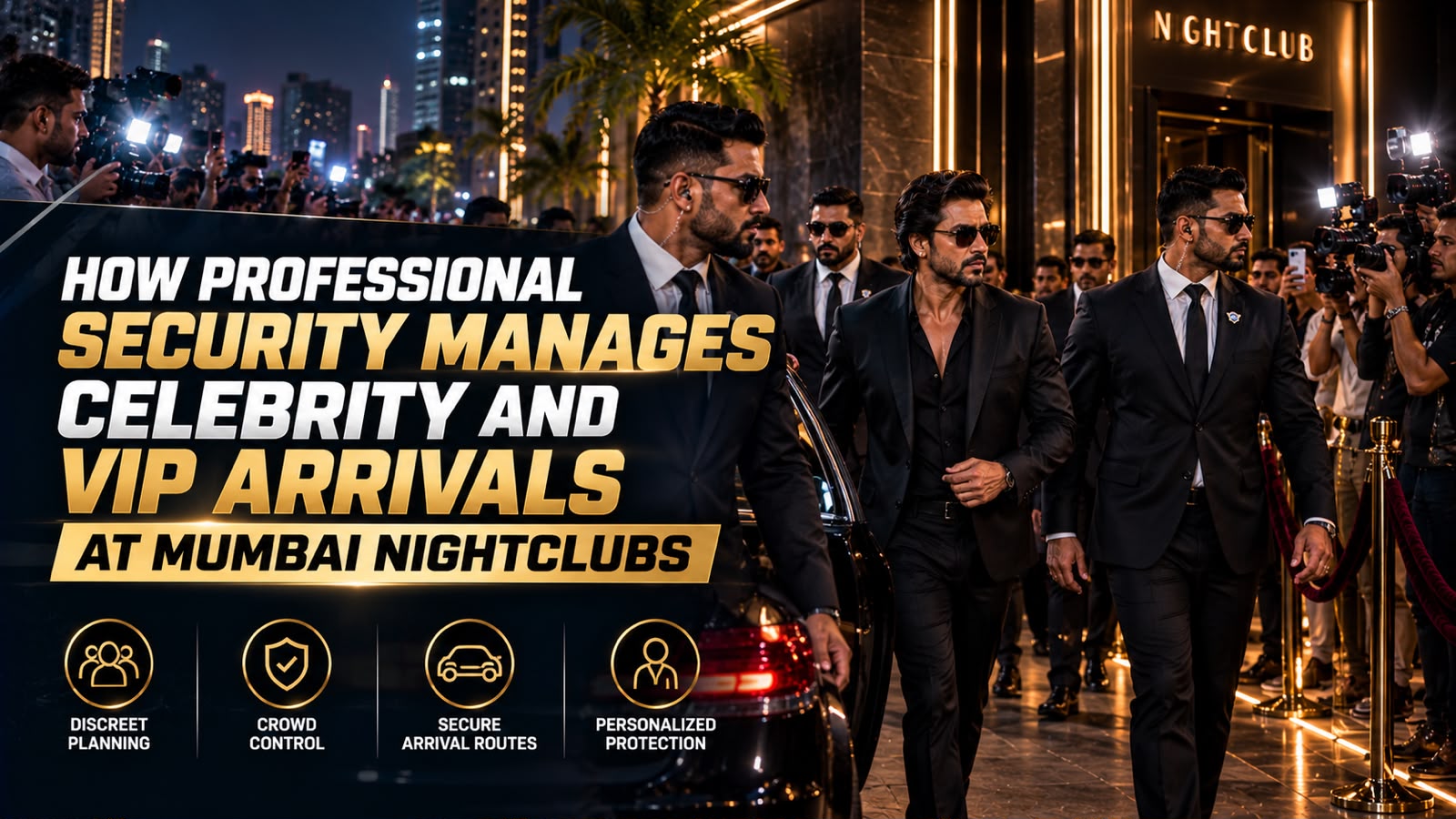
How Professional Security Manages Celebrity and VIP Arrivals at Mumbai Nightclubs
A celebrity showing up at a Mumbai nightclub can make all the difference in the world. People may crowd the entrance, pull out their phones, try to get closer, and cause traffic around the venue to slow down. For the celebrity, the priority is getting inside safely. For the nightclub, the challenge is ensuring the arrival happens with minimal disruption to other guests.
This is where professional security services in Mumbai come in.
Managing a celebrity or VIP arrival is not simply about placing more guards at the entrance. It requires planning, communication, situational awareness, and crowd management without unnecessary drama.
Here is how professional security teams manage VIP arrivals at Mumbai nightclubs.
1. Planning Starts Before the VIP Arrives
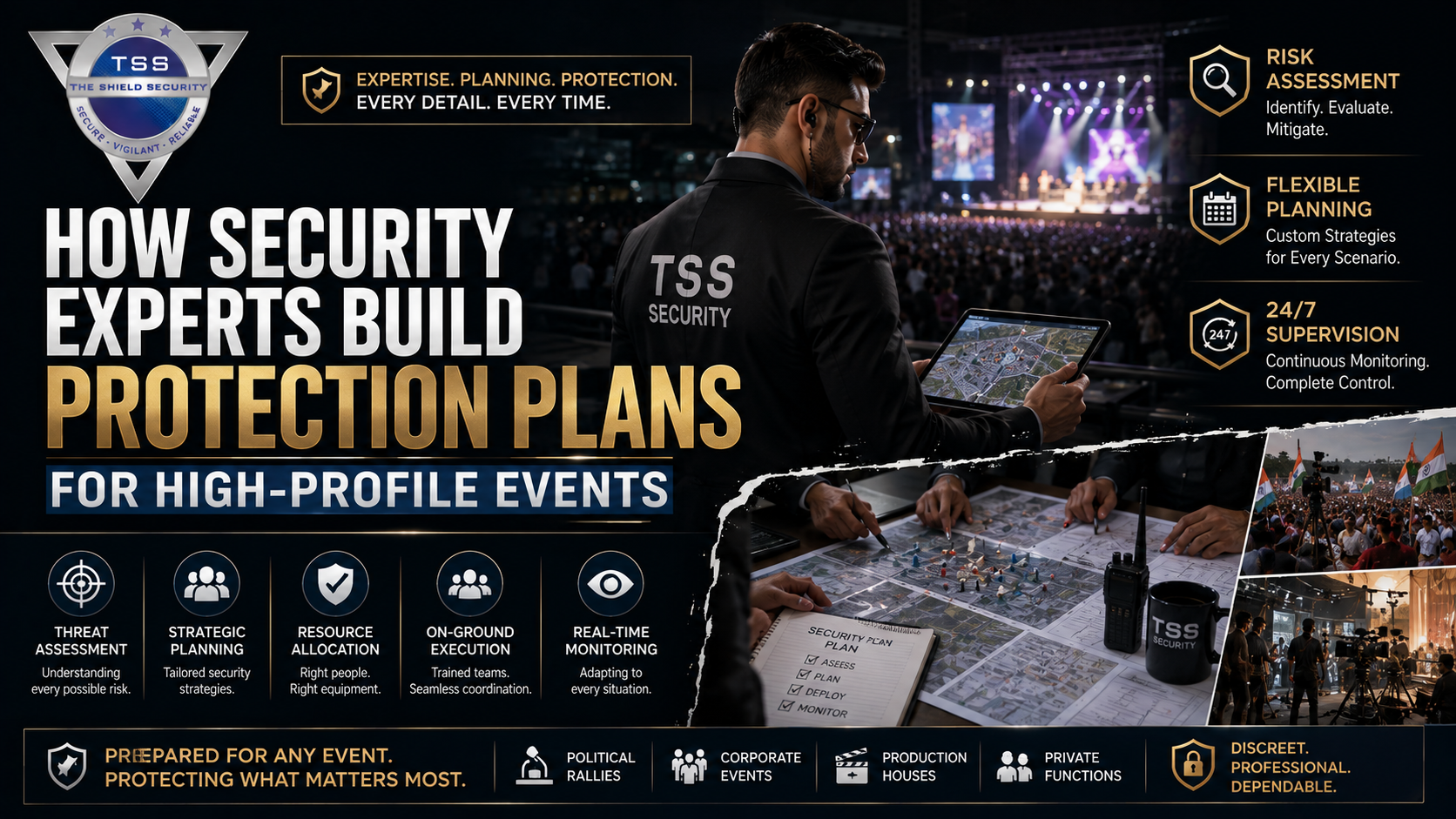
A VIP arrival usually requires preparation long before the celebrity reaches the venue. The security team needs to understand the expected arrival time, preferred entrance, parking or drop-off arrangements, guest movement, and any restricted zones.
The team may also coordinate with nightclub management, valet staff, event organisers, and the celebrity's personal security team. This ensures that everyone understands their responsibilities before the event begins.
2. Choosing the Right Entrance Makes a Difference
A busy main entrance is not always the best option for a VIP arrival. Queues, guests entering and leaving, and people waiting to be admitted can make movement difficult.
Depending on the venue and security assessment, the team may arrange a controlled entrance or a designated route. The objective is to move the vehicle and VIP from the parking or drop-off point into the venue while minimising disruption to the crowd.
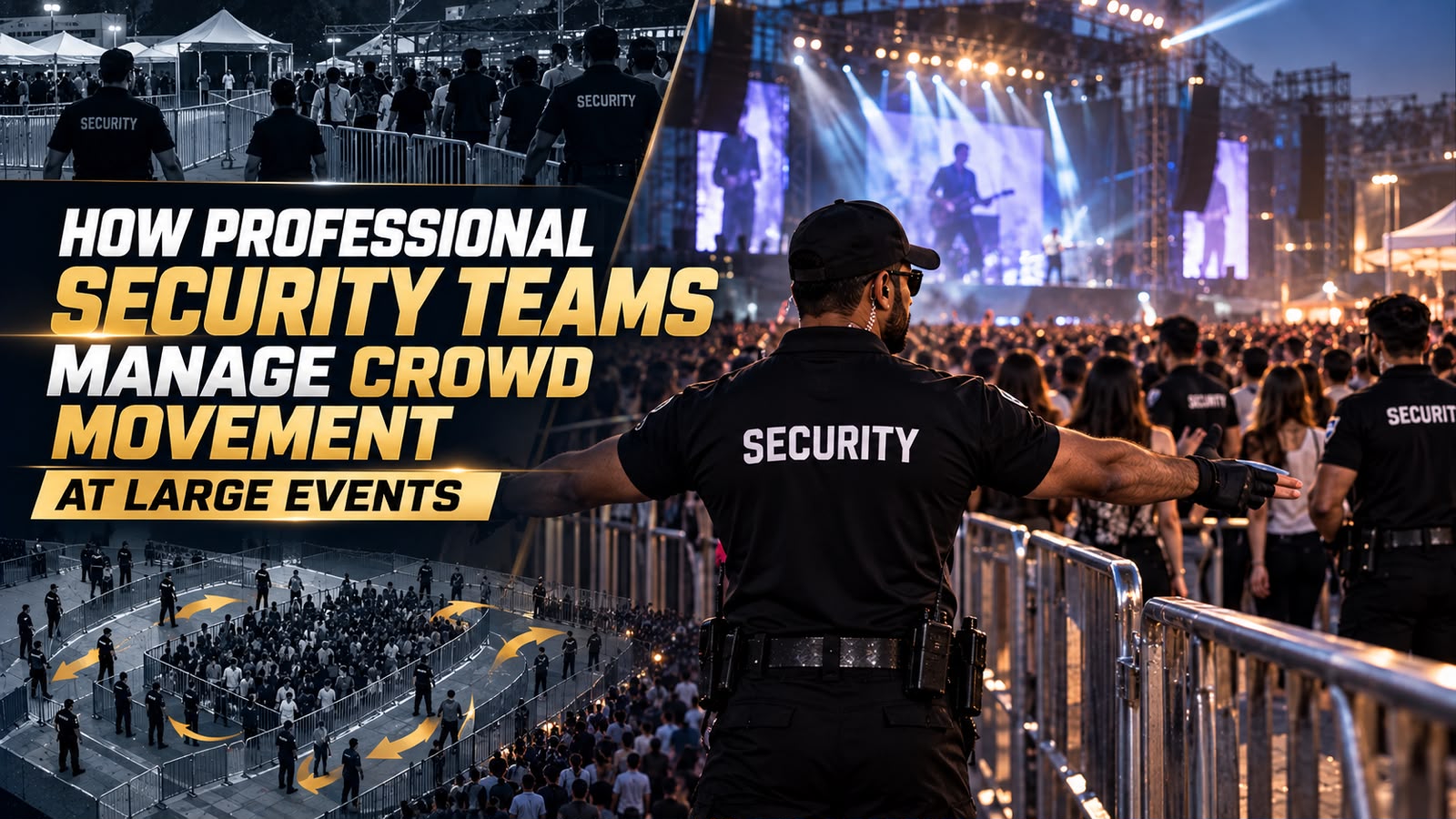
3. Managing the Crowd Around the Arrival Point
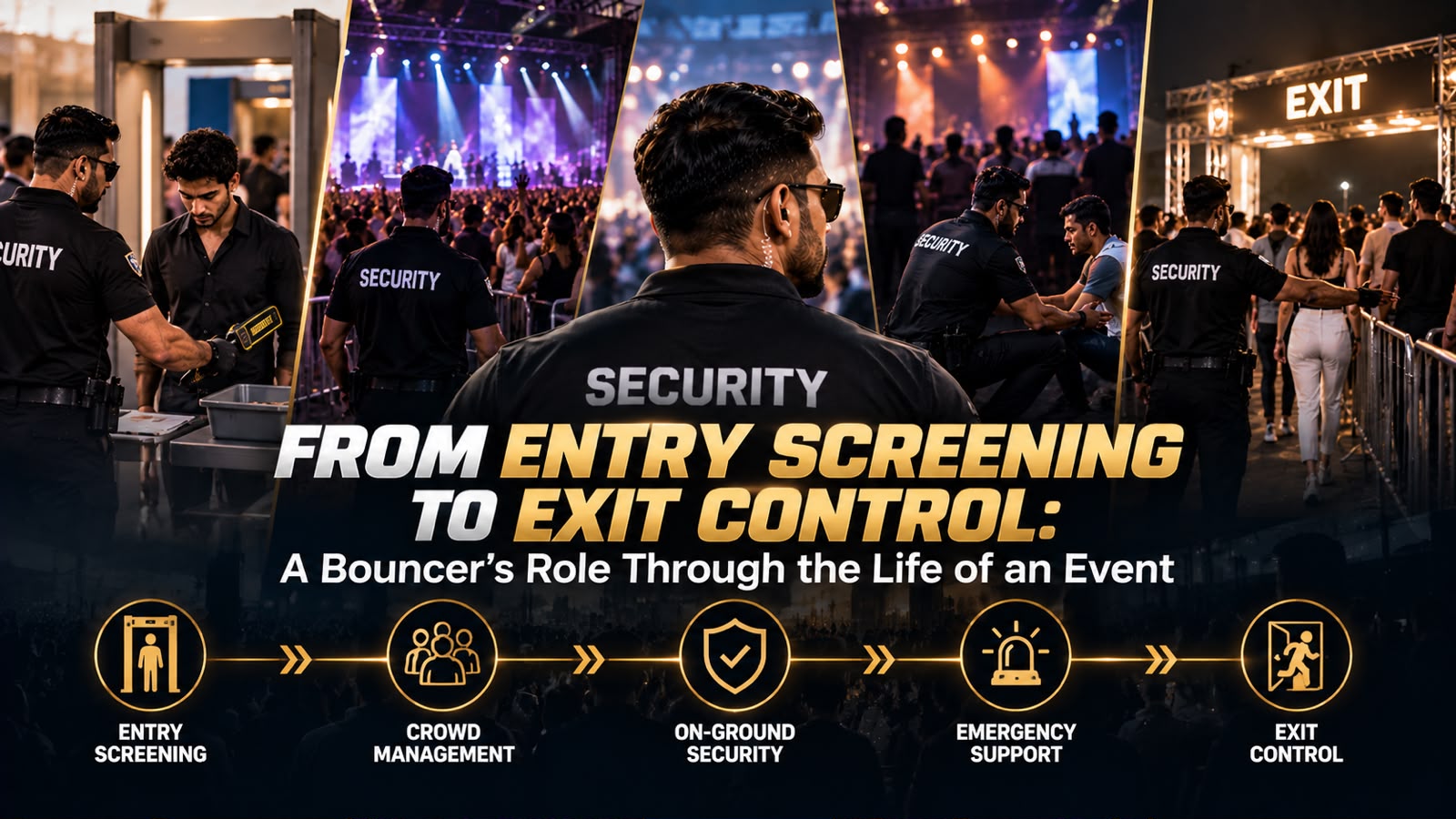
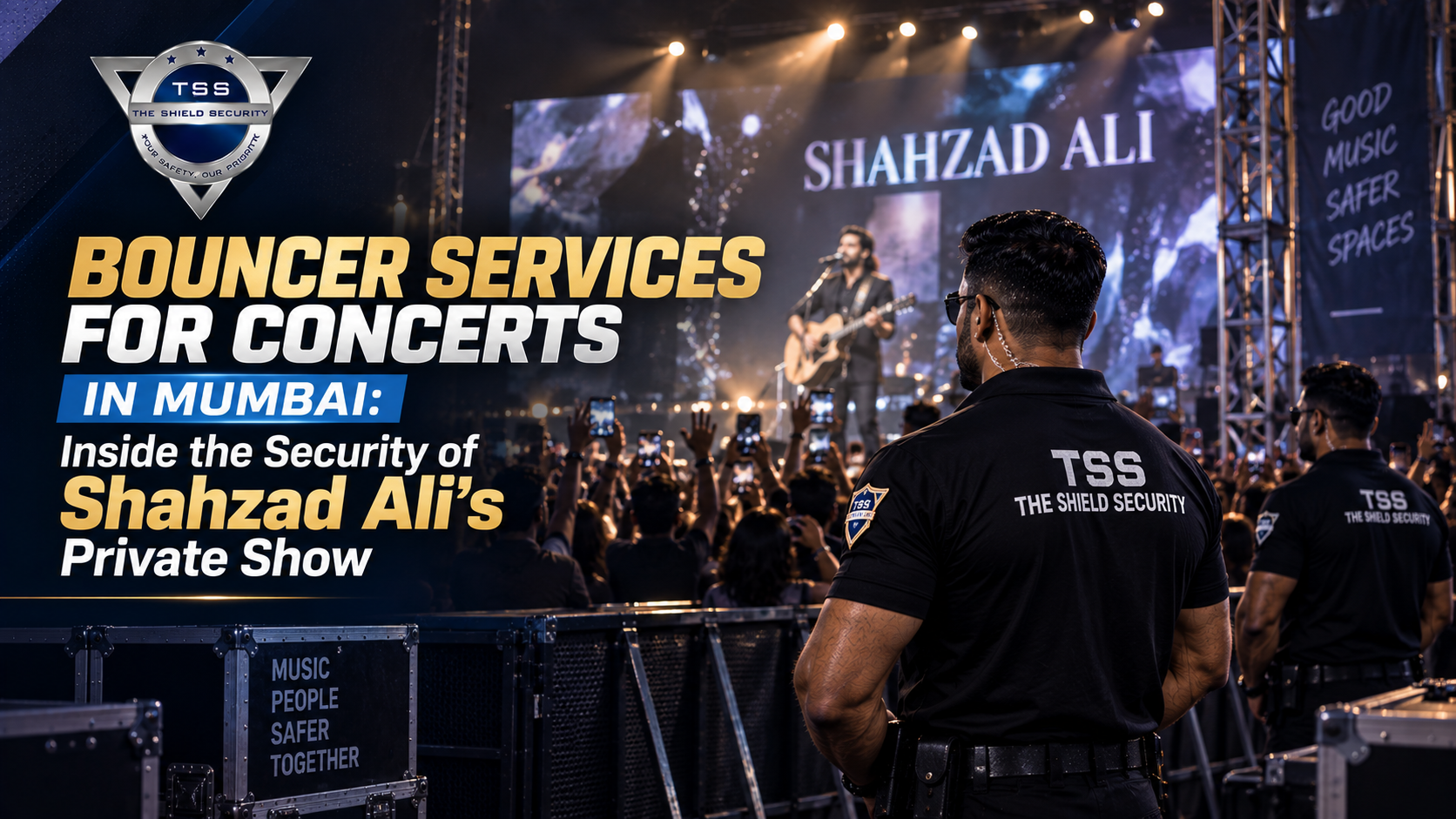
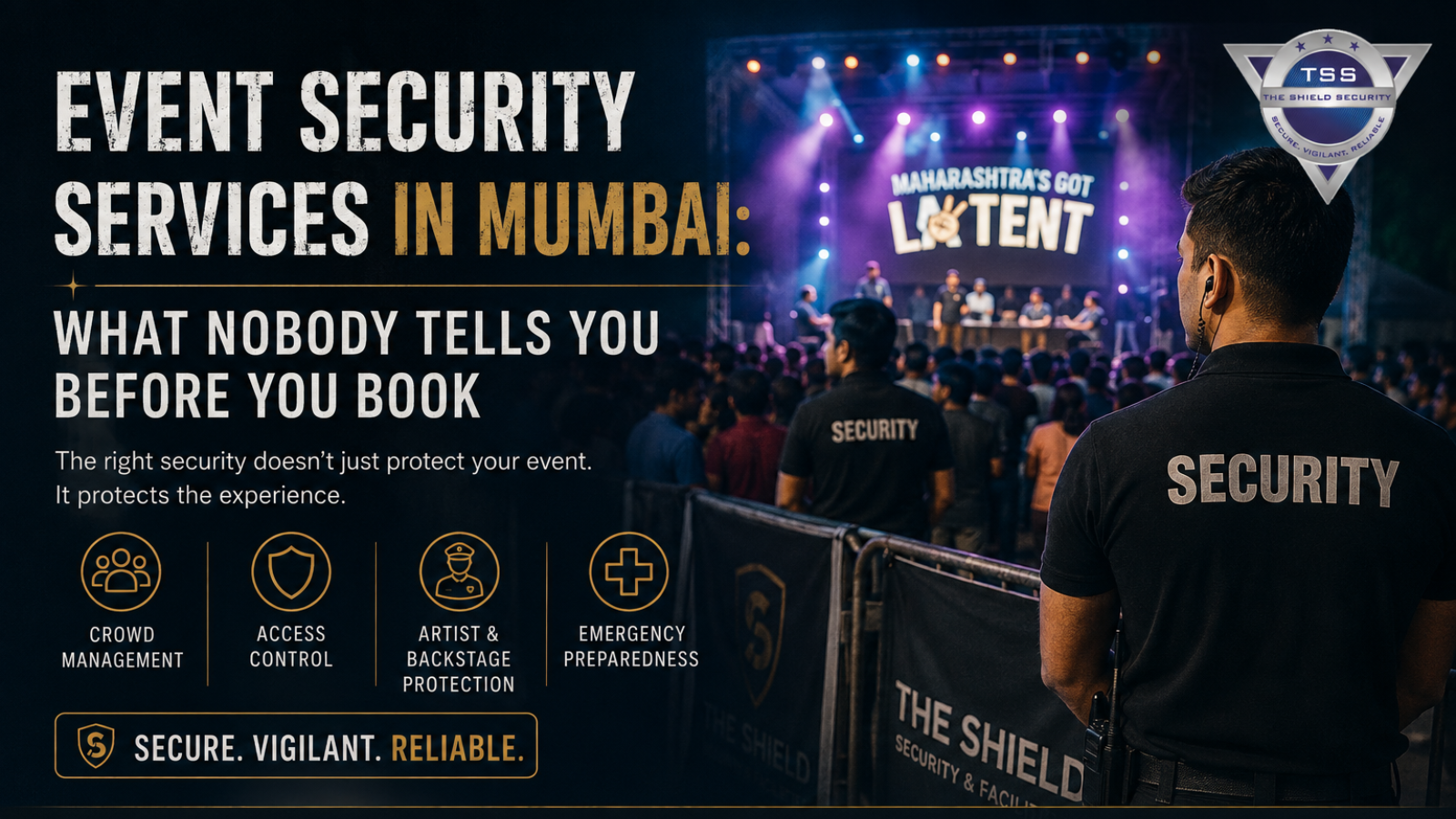
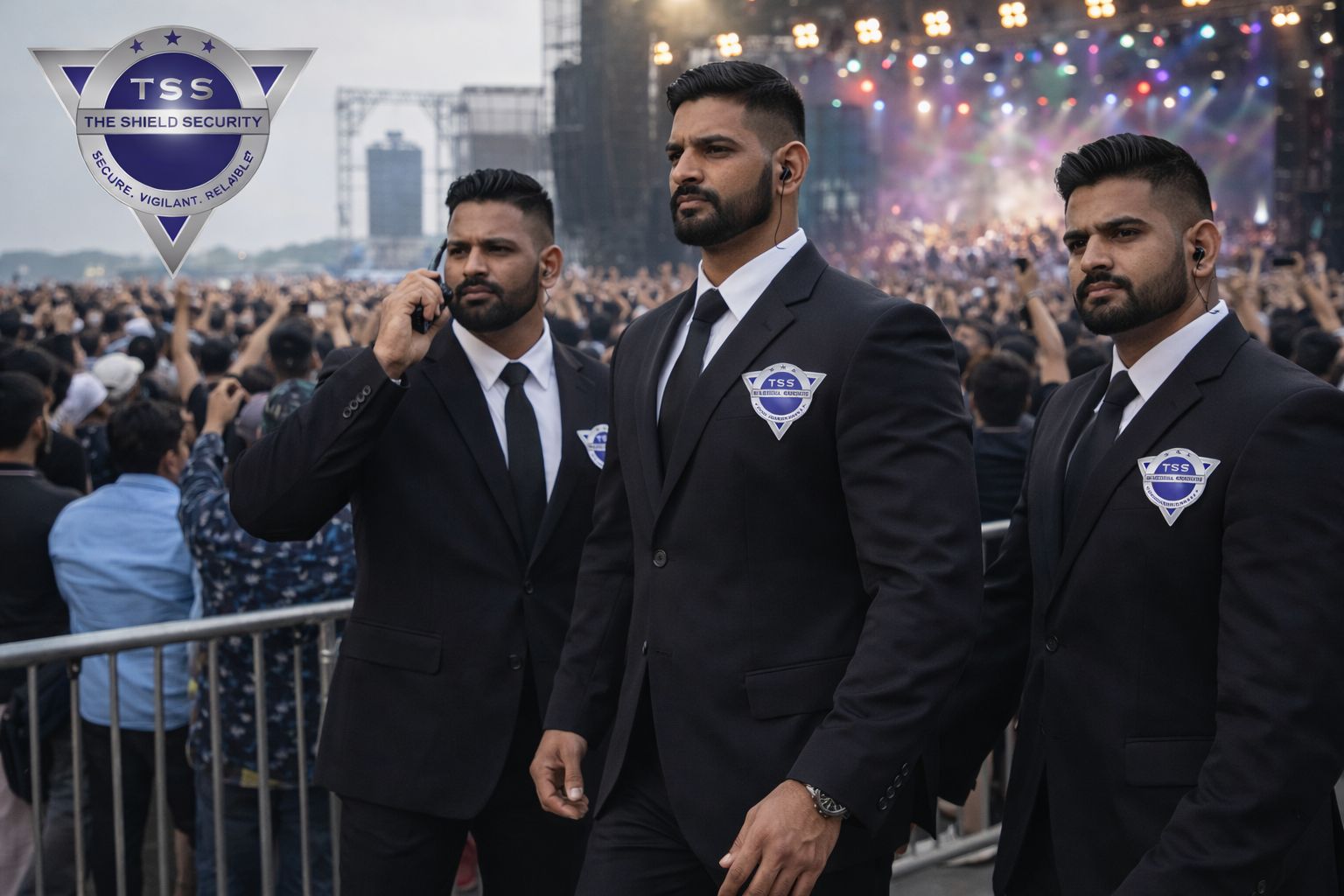
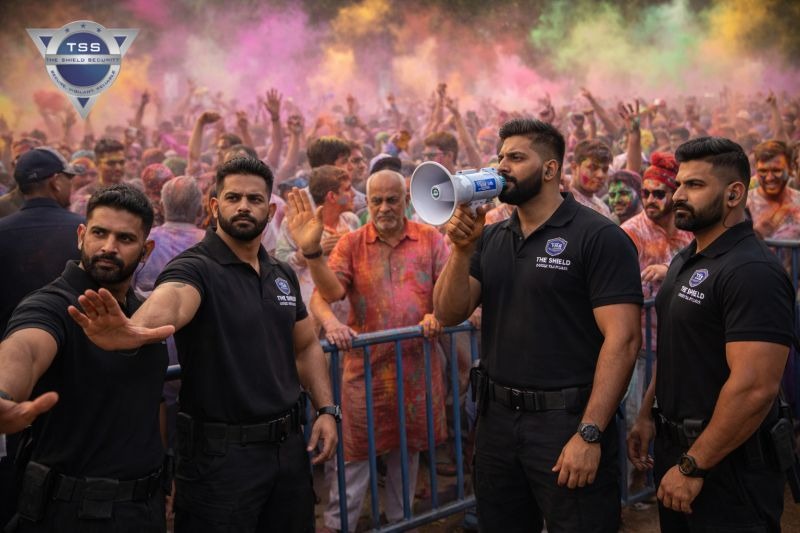
One of the biggest challenges during a celebrity arrival is controlling the crowd gathering around the vehicle. Fans, guests, photographers, and bystanders may want a closer look or a photograph.
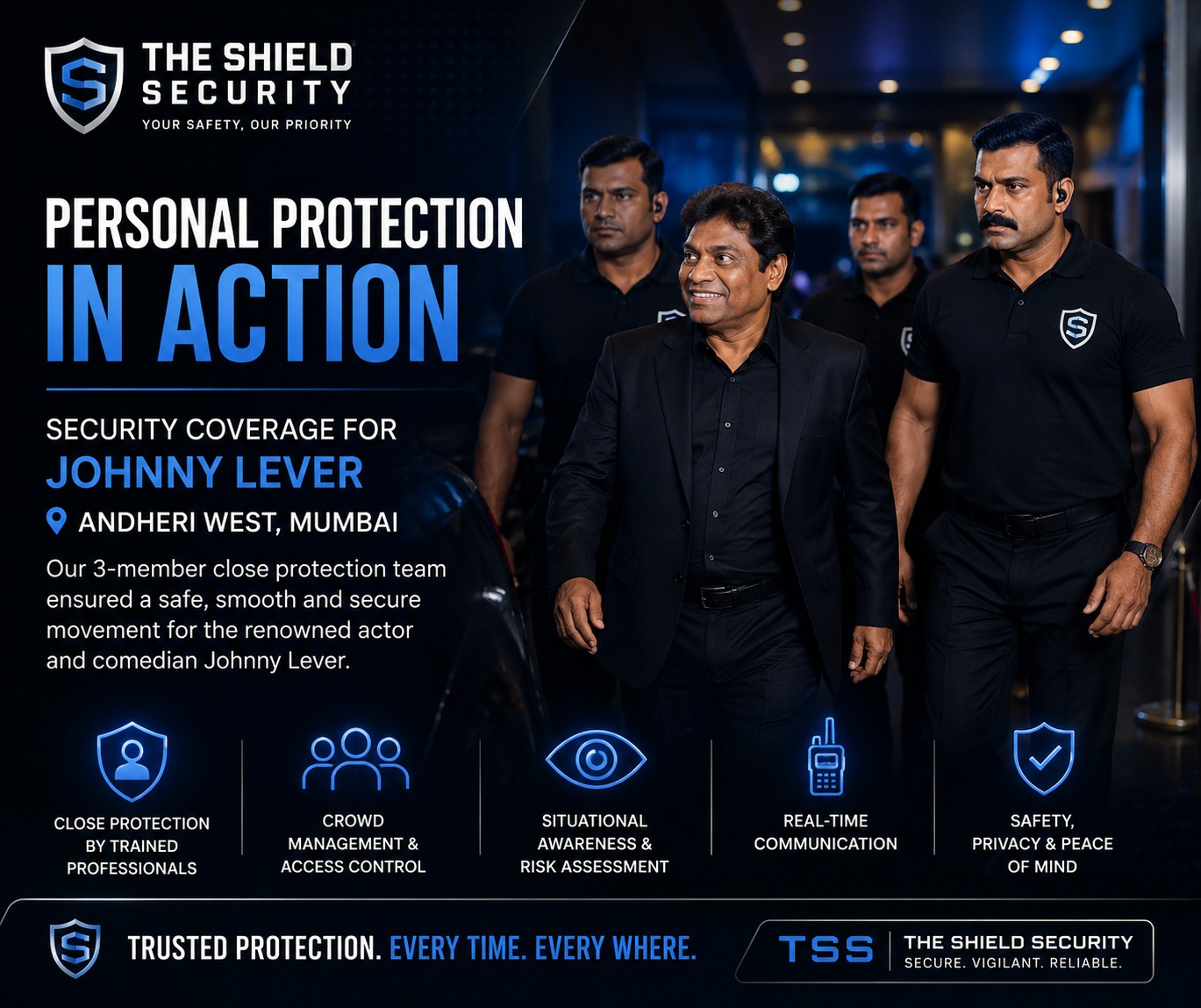
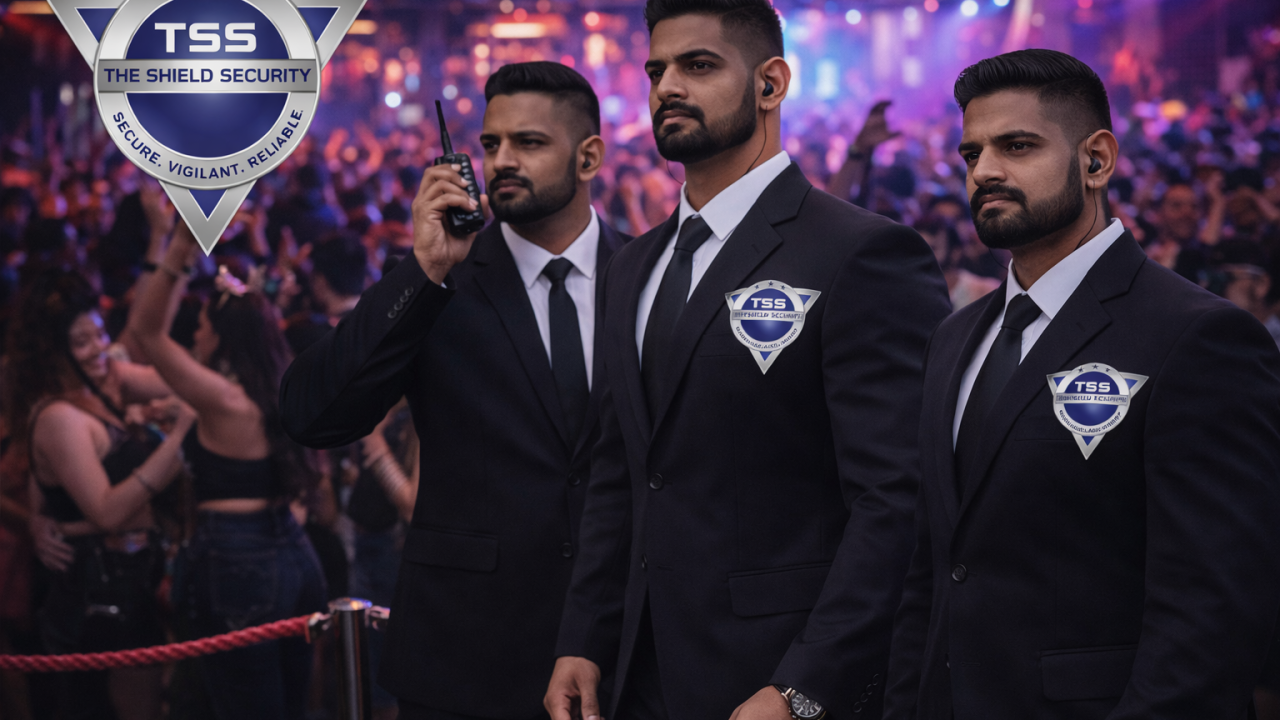
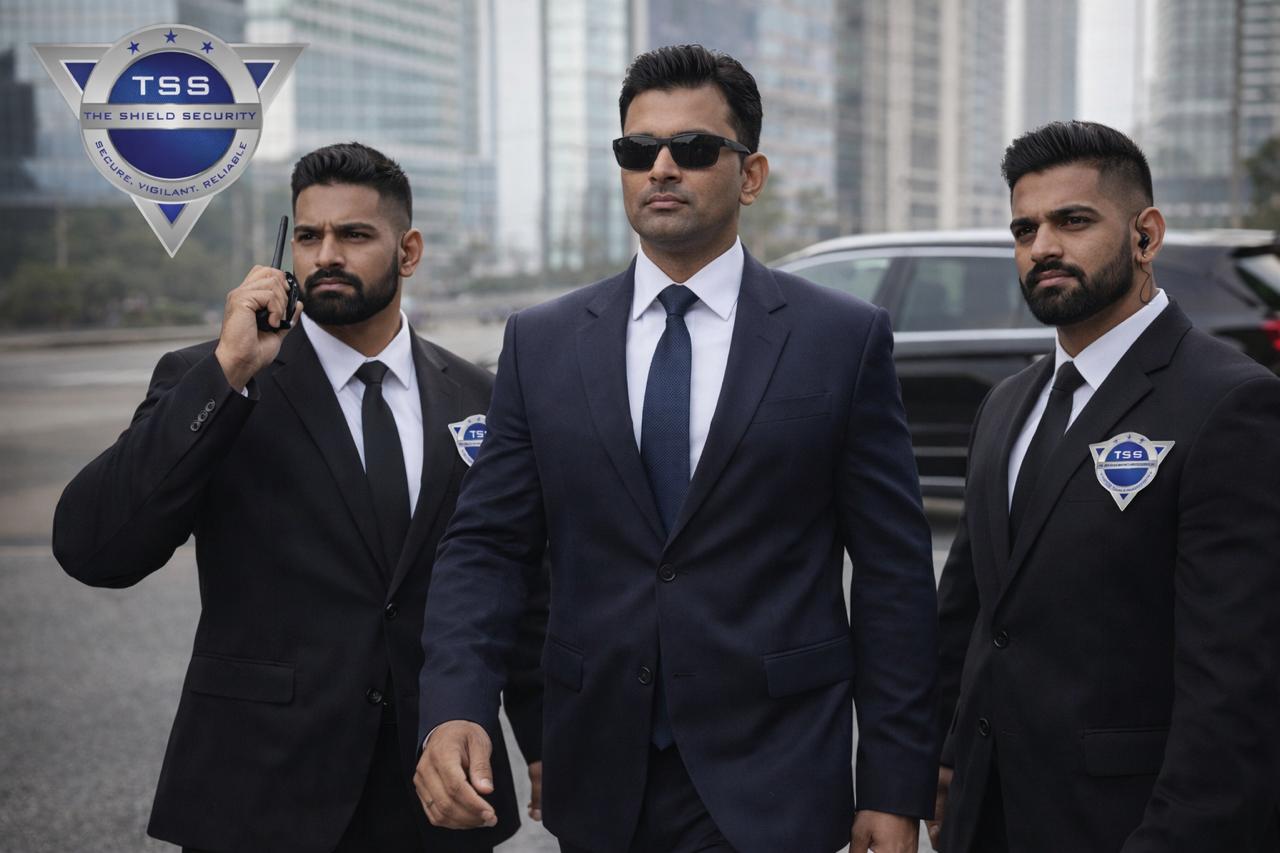
Professional security personnel establish a clear path for the VIP to exit the vehicle and communicate calmly with people nearby. Their presence should convey confidence and authority while maintaining composure.
4. Security Should Not Create Unnecessary Drama
A celebrity arrival already attracts attention. Overly aggressive behaviour from security personnel can make the situation more disruptive. Effective VIP security in Mumbai focuses on controlled movement and prevention rather than unnecessary confrontation.
Trained personnel use clear instructions, appropriate positioning, and coordinated movement to maintain a safe distance between the VIP and the crowd. The aim is to protect the individual while allowing the nightclub to continue operating as normally as possible.
5. Coordination Keeps Everyone Moving
VIP arrivals can involve several teams working together. The nightclub's security team may need to coordinate with:
- The celebrity's personal security team
- Valet and parking staff
- Nightclub management
- Event organisers
- Reception and guest-list teams
- Additional security personnel
Everyone needs to know when the arrival is expected and where the VIP will move. Clear communication reduces confusion and helps prevent teams from working at cross-purposes.
6. Anticipating Unpredictable Crowd Behaviour
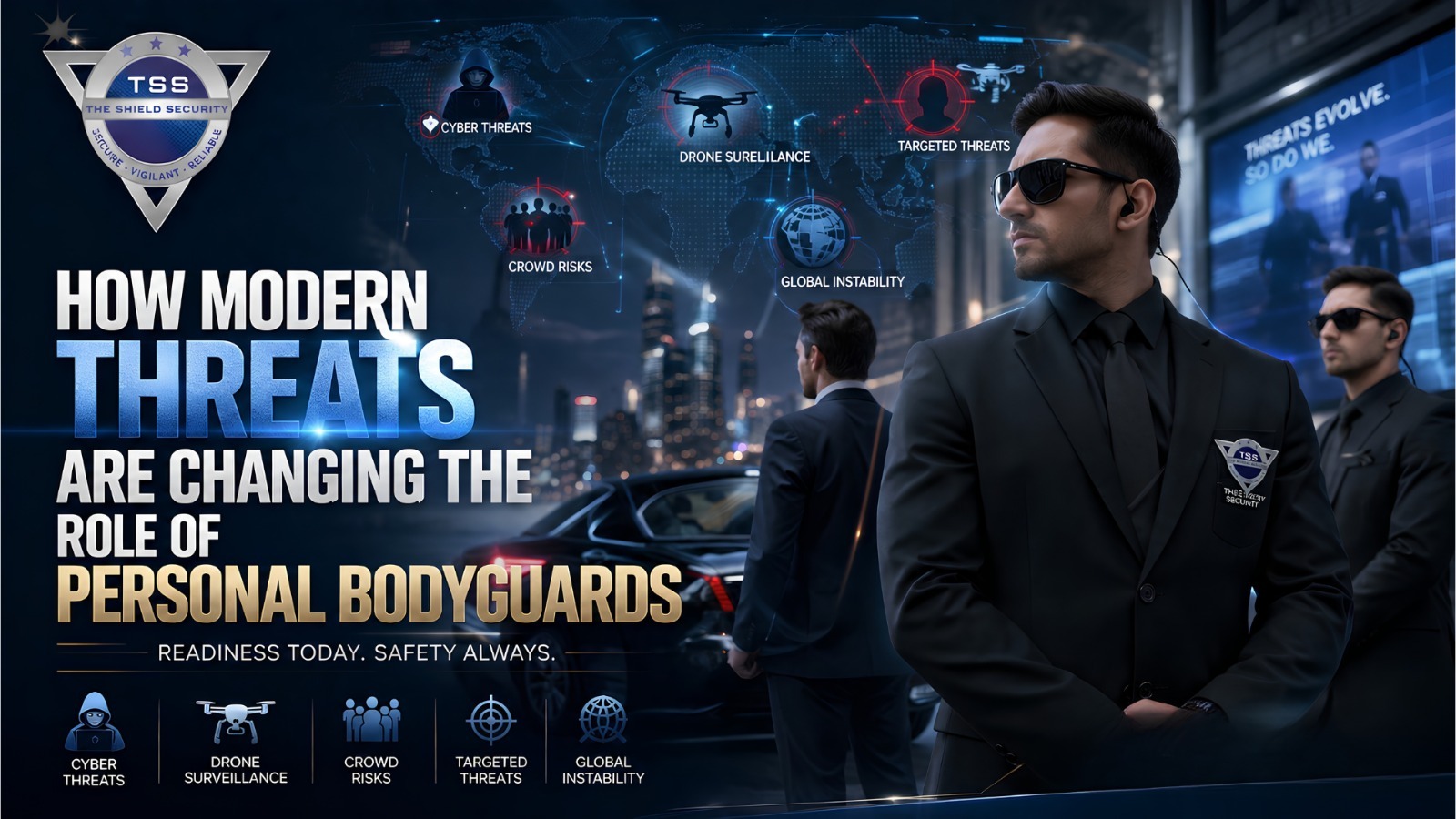
Crowd behaviour can change quickly when a celebrity appears. A small group can grow, while guests approaching the nightclub may stop to watch, take photographs, or move closer.
Experienced security personnel monitor these changes and respond by creating more space, redirecting pedestrian movement, and positioning team members at key points. This proactive approach helps reduce congestion around the entrance.
7. Controlling VIP Access Inside the Nightclub
Security responsibilities do not end once the VIP enters the venue. Nightclubs may have private lounges, VIP sections, restricted rooms, or staff-only areas that require access control.
Security personnel help prevent unauthorised entry while allowing the VIP and their party to move through approved areas. The goal is to remain alert without being unnecessarily conspicuous.
8. Respecting Privacy During VIP Arrivals
Celebrity security involves more than physical protection. Privacy is also an important consideration.
Some guests may attempt to take photographs or videos without permission or get too close to the celebrity. Security teams must manage these situations professionally, respect venue policies, and help prevent unnecessary crowding without disrupting the nightclub atmosphere.
9. Responding Calmly When Tensions Rise
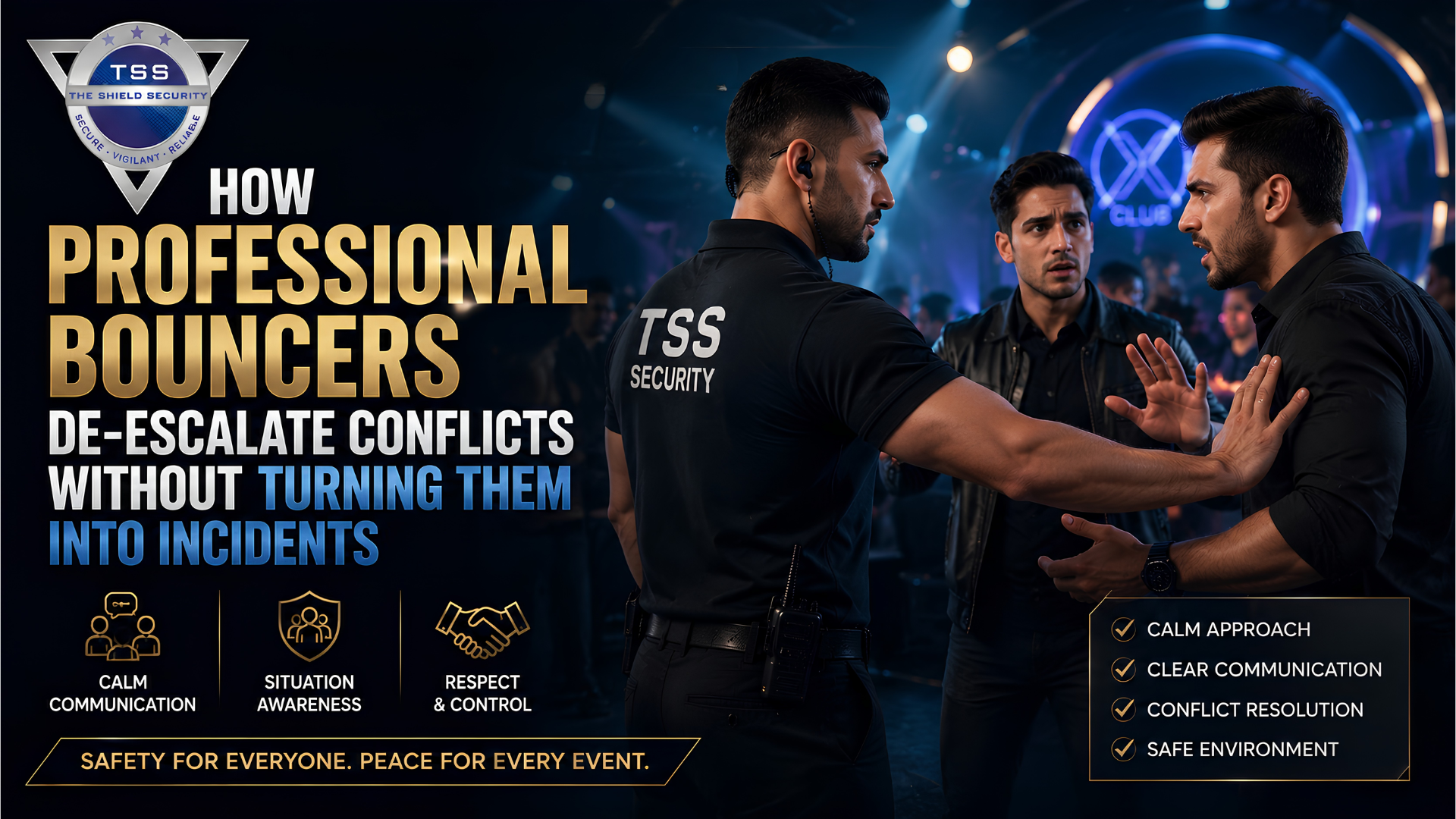
Although nightclubs are social environments, disagreements can occur. A guest may refuse to leave a restricted area, arguments may develop in a VIP section, or people may become overly excited around a celebrity.
Trained security personnel use sound judgement and de-escalation techniques to manage these situations. Not every incident requires physical intervention; calm communication and appropriate positioning can often help resolve issues safely.
10. Planning the Departure as Carefully as the Arrival
The departure deserves as much attention as the arrival. When a celebrity leaves the nightclub, guests and onlookers may gather to watch or approach the vehicle.
The security team should coordinate the departure route, communicate with relevant staff, and help keep the immediate area clear so the vehicle can leave safely. Good planning reduces congestion and helps the event end smoothly.
Why Nightclub Security Requires Experience
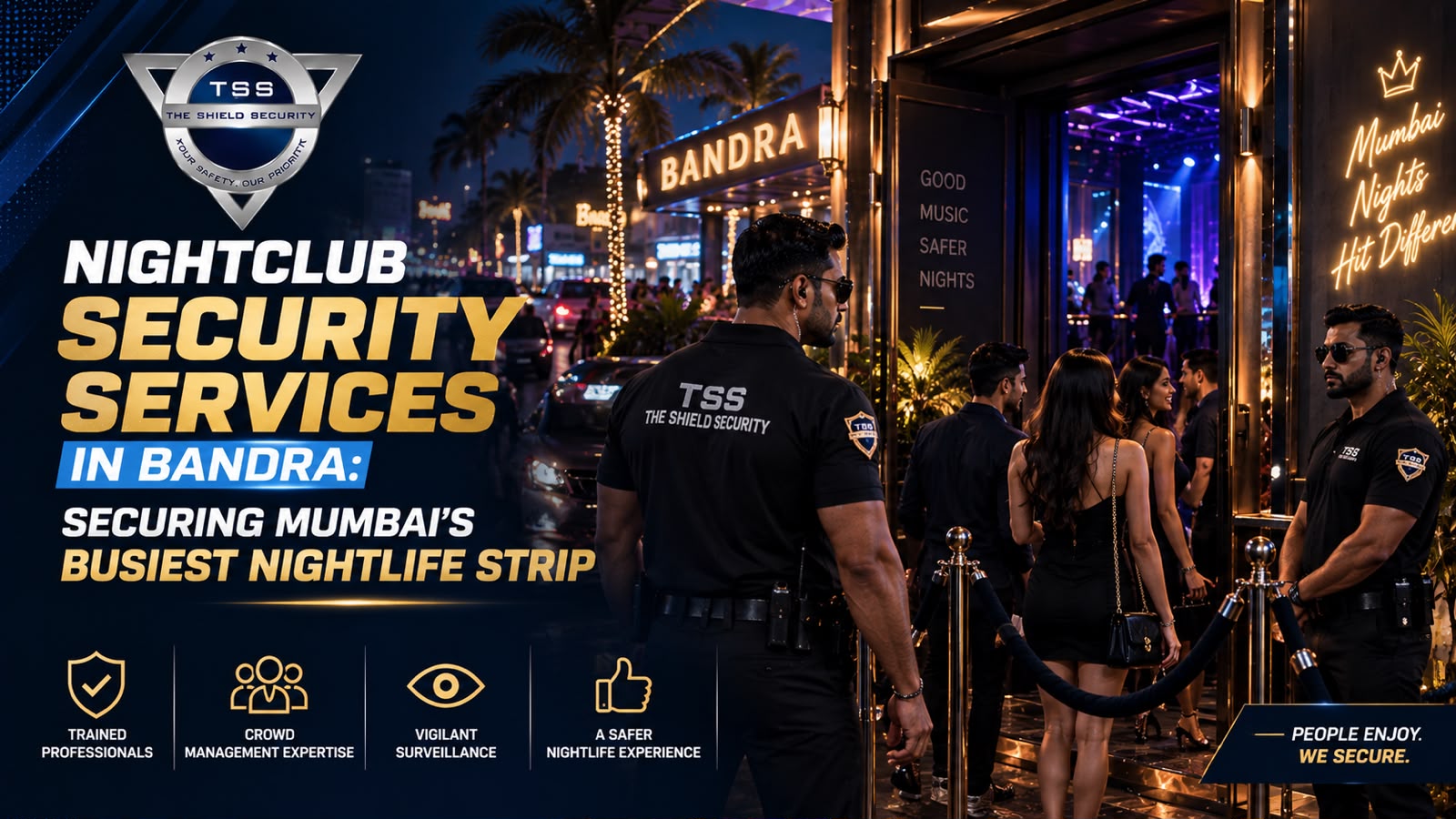
Celebrity and VIP arrivals can be unpredictable. Arrival times may change at the last minute, crowds may grow unexpectedly, and routes may need to be adjusted. Nightclub security services in Mumbai therefore require more than a basic security presence.
Security teams need to understand crowd behaviour, communicate clearly, assess potential risks, and adapt to changing circumstances while minimising disruption to the venue and its guests.
Choosing the Right Security Team
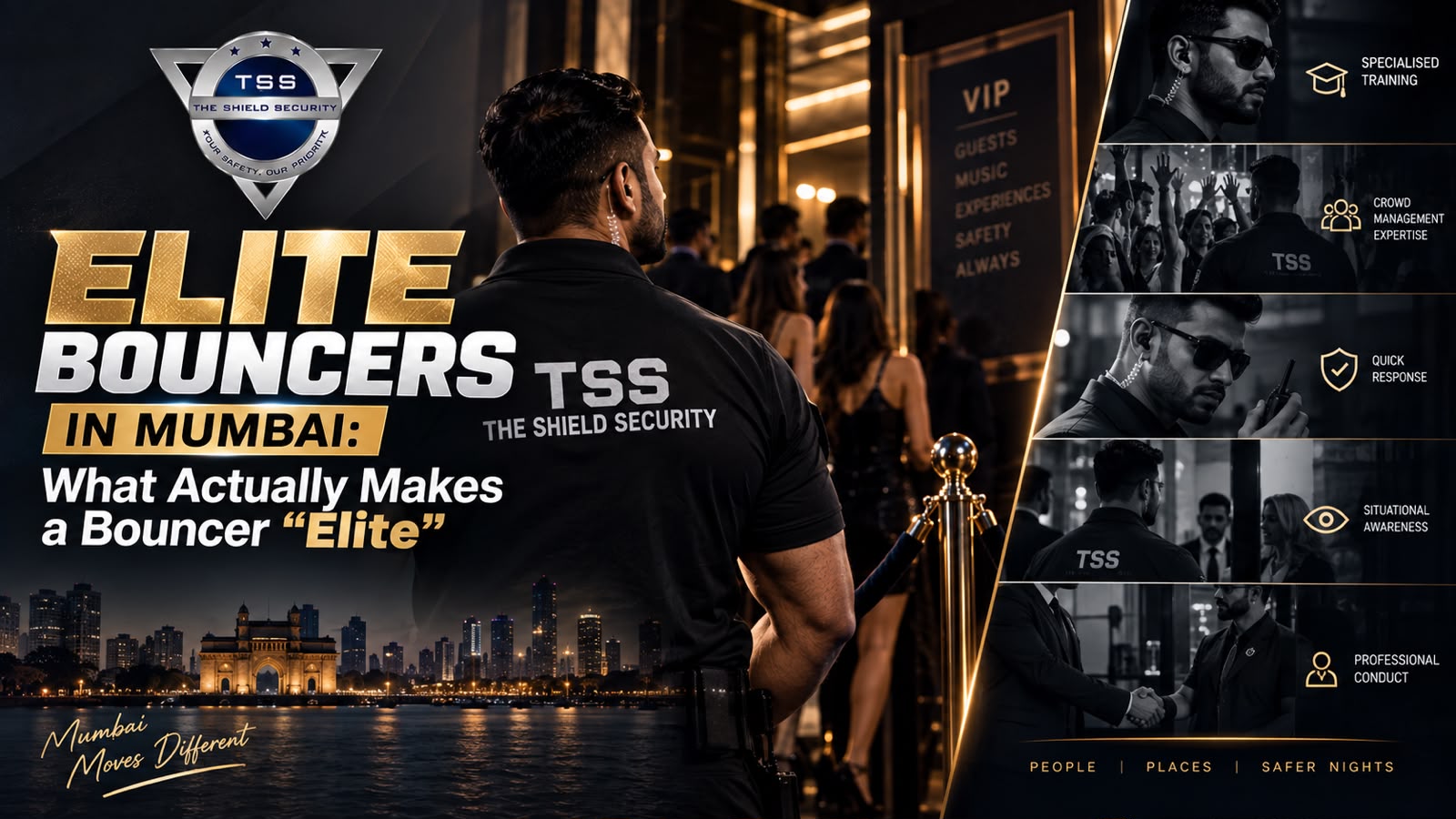
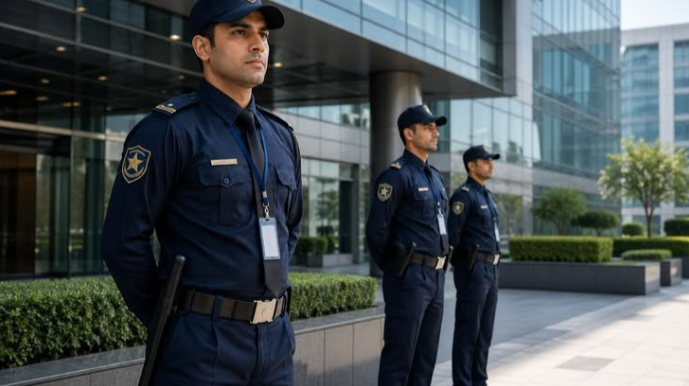
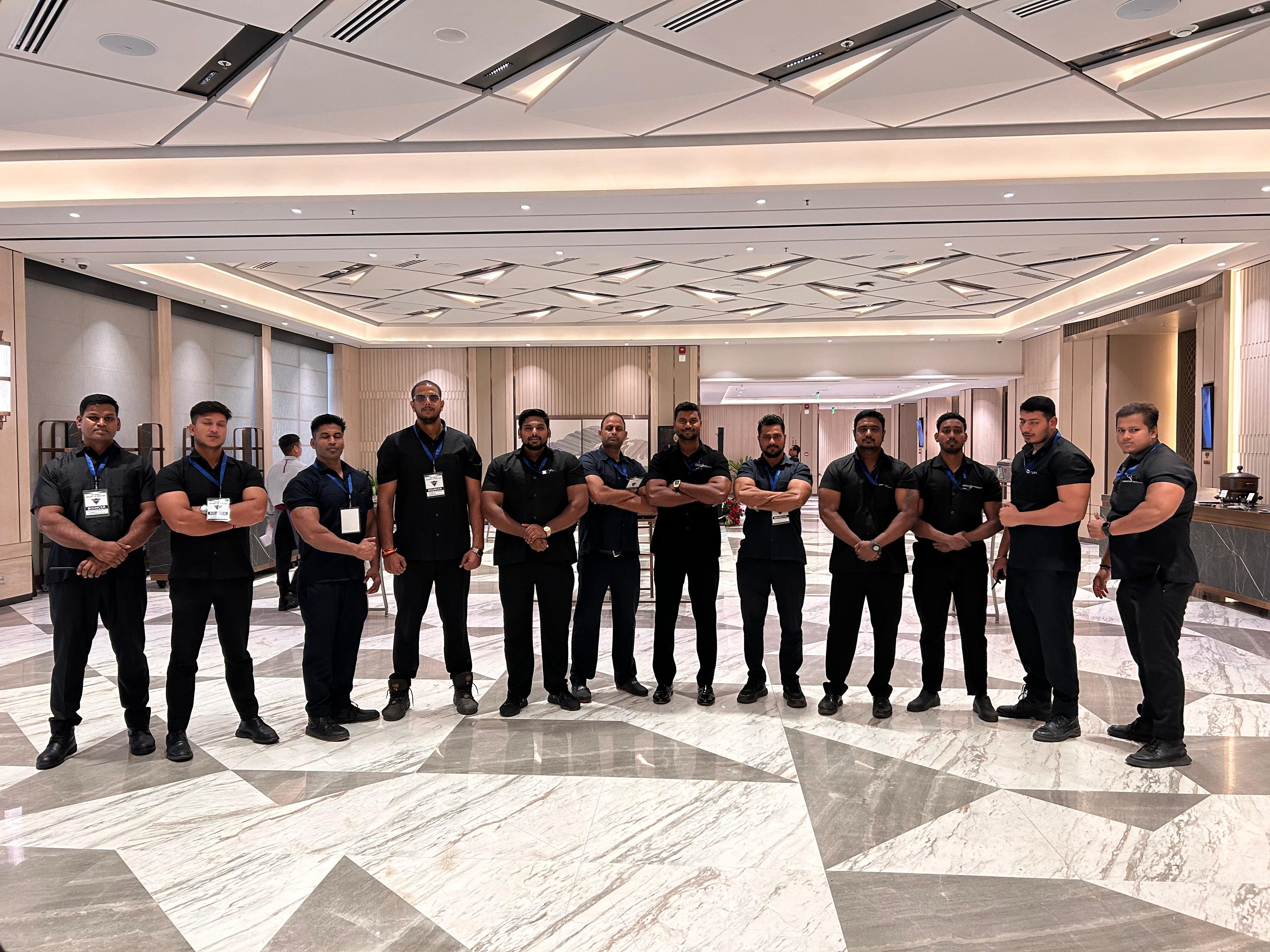
A reliable nightclub security team understands the importance of both personal protection and guest experience. Personnel should be alert enough to recognise potential risks while remaining professional and respectful when dealing with regular guests.
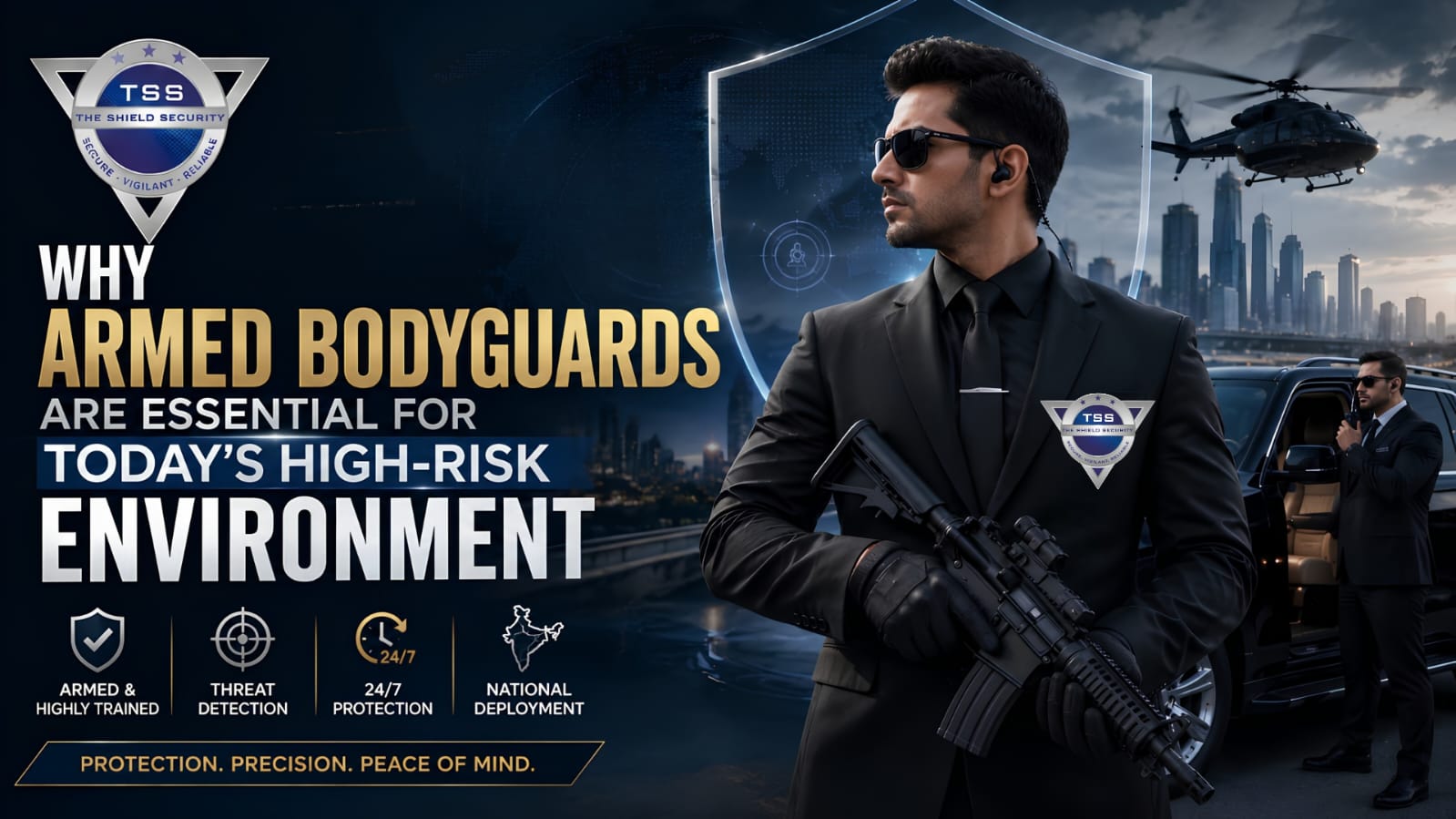
At The Shield Security & Facilities, VIP and nightclub security focuses on this balance. Depending on the venue's requirements, trained teams can coordinate access, manage crowd movement, support VIP arrivals, and provide security around the premises while maintaining a professional and discreet presence.
Explore our security services to learn more about professional security support for venues, events, and high-profile occasions.
A Smooth Arrival Is the Result of Preparation
When a celebrity or VIP arrives at a Mumbai nightclub, the goal is not to draw attention to the security operation. It is to make movement feel controlled, safe, and discreet.
From planning the arrival route and managing the crowd to coordinating with club staff and organising the departure, every step requires awareness and preparation. Professional security teams understand that protecting a VIP means reading the environment and anticipating potential disruptions.
For Mumbai nightclubs, trained security personnel who can manage VIP movement while protecting other guests can make a significant difference. With the right planning and coordination, celebrities can enter, enjoy their visit, and leave with minimal disruption to the venue.
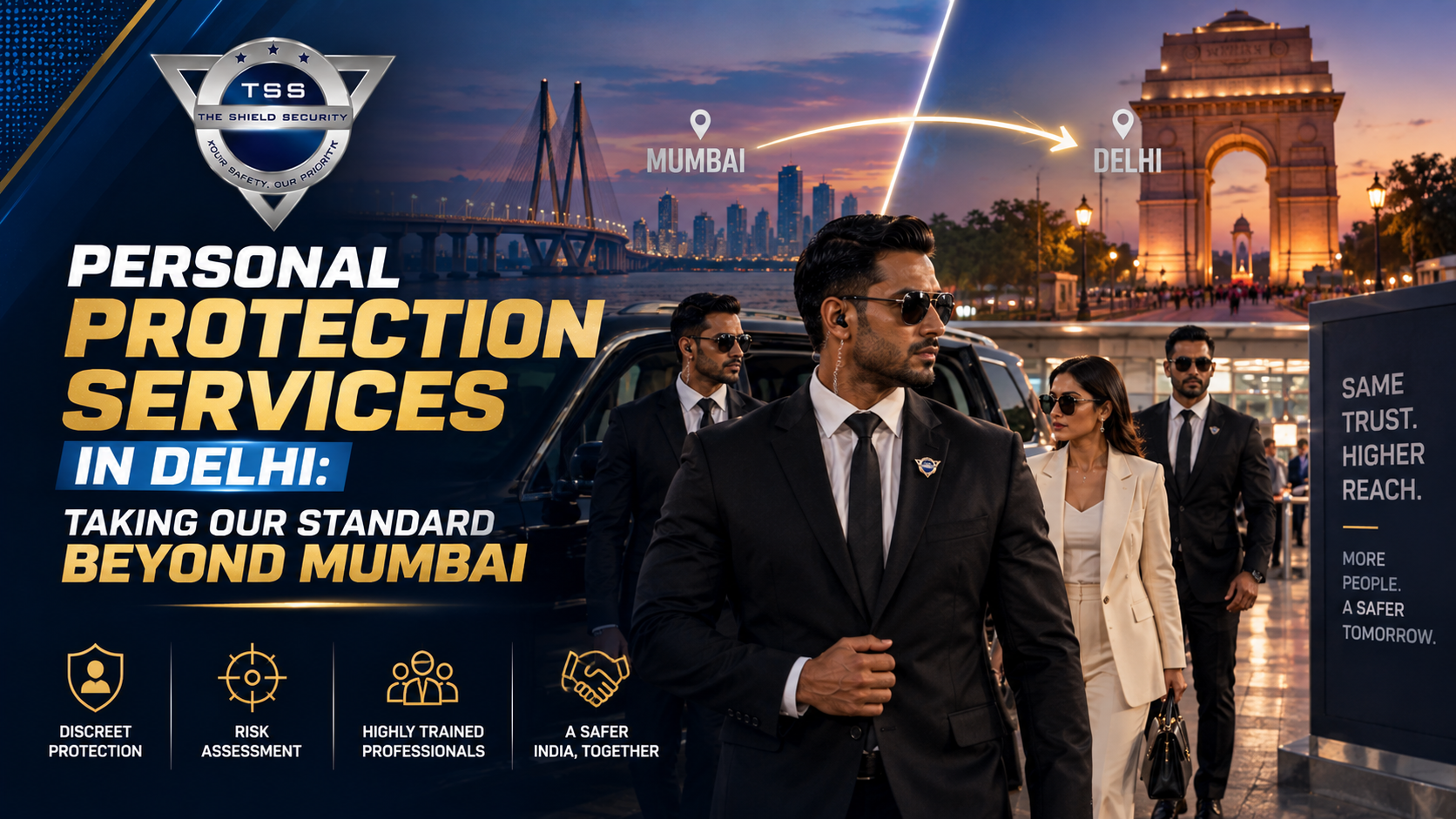
At The Shield Security & Facilities, we provide professional, disciplined, and coordinated security support for VIP arrivals, celebrity movements, and high-profile events.
Because effective security works quietly in the background while keeping safety and the guest experience in focus.
Looking for professional security support in Mumbai? Visit The Shield Security & Facilities services page to explore available security solutions.